Trusted Commercial Truck Roadside Assistance Houston for Heavy-Duty Trucks
Expert Tire Maintenance: Resume Driving With Care and Speed
Professional tire repairs play a crucial role in assuring vehicle safety and performance. Skilled professionals perform detailed inspections to pinpoint different tire concerns. From flats to balance issues, every concern requires careful consideration. Knowing when to get professional support can avert additional setbacks. As drivers deal with these hurdles, they might ponder about the optimal repair options and maintenance routines. Examining these matters can result in wise choices and safer travels moving forward.
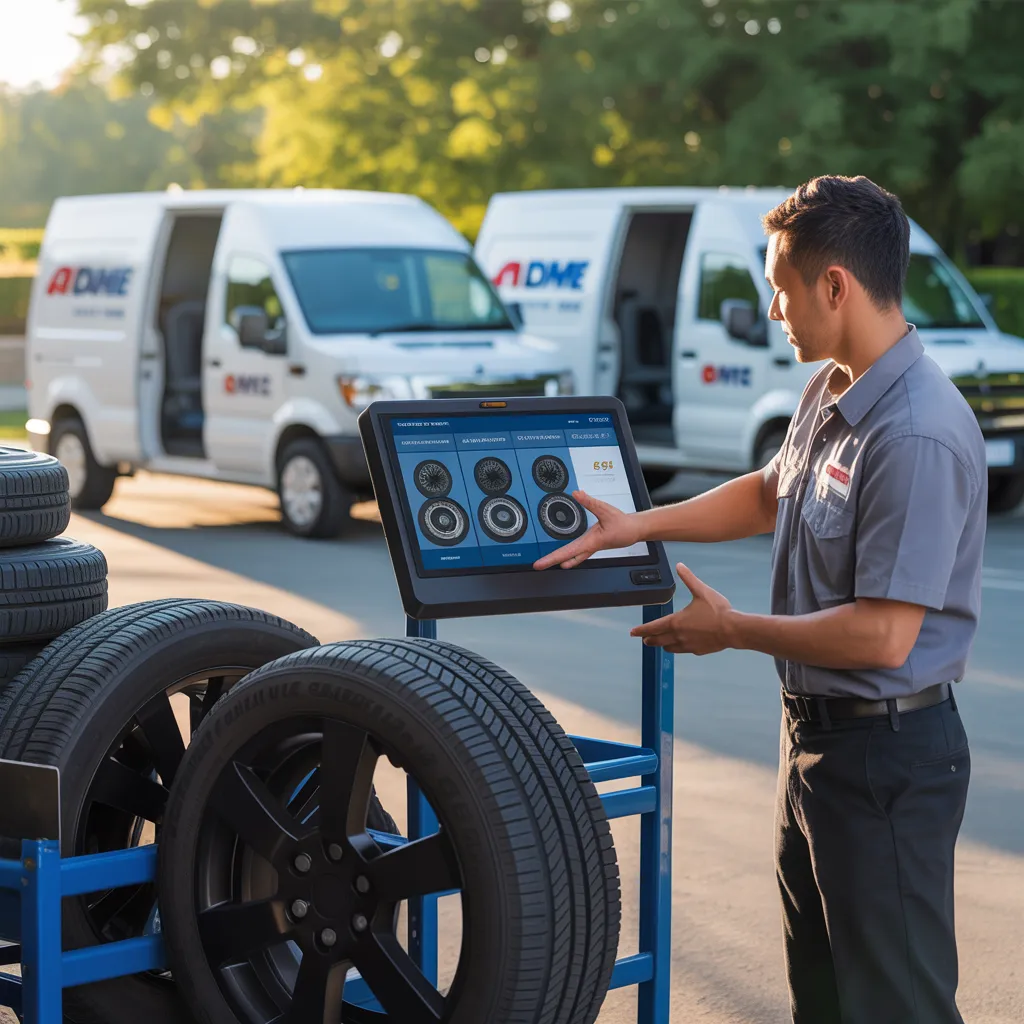
Typical Tire Difficulties to Learn About
When motorists ignore their tires, they may experience several typical problems that can affect safety and performance. One common problem is underinflation, which can result in increased tire wear and decreased fuel efficiency. Over time, this can cause the tires to overheat, raising the risk of a blowout. Another common problem is tread wear, which impacts traction and handling, particularly in wet conditions. Uneven wear may indicate alignment or suspension issues, requiring further inspection. Additionally, drivers may face punctures or sidewall damage from road hazards, causing slow leaks or complete tire failure. Regular tire rotations, inspections, and proper inflation are vital for preventing these issues. Finally, environmental conditions can also add to tire degradation, making it vital for drivers to monitor their tire health. By recognizing these common problems, drivers can enhance their safety on the road.
How to Recognize When to Get Tire Service?
Understanding the warning signs that tire servicing are essential is crucial for ensuring vehicle protection and operation. Drivers must remain watchful to certain cues that reveal tire problems. Uneven wear patterns on the tread, as an example, may point out alignment concerns or low tire pressure. Furthermore, noticeable damage, including tears, bulges, or leaks, frequently demands urgent attention. An sudden drop in air pressure or repeated demand for pressurization also implies that fixes may be vital.
Car operators should pay close attention to handling and performance changes, such as vibrations or pulling to one side, which could indicate tire imbalances or internal damage. Finally, consistently checking the depth of the tire tread is necessary; tires with worn or bald spots compromise valuable guide traction. By watching for these signs, drivers can confirm timely repairs, enhancing both safety and vehicle longevity. Addressing these problems promptly not only avoids potential accidents but also saves on more extensive repair costs in the future.
What You Should Know About the Tire Restoration Process
The tire repair process typically requires several essential steps to assure safety and efficiency. First, a technician inspects the tire for visible damage and analyzes its overall condition. This examination aids in deciding whether the tire can be repaired or should be replaced. Following the inspection, the technician may take off the tire from the wheel to uncover punctures or internal damage.
Once any issues are discovered, the specialist sanitizes the damaged area and prepares it for repair. This may involve installing a patch or insert, based on the type and location of the damage. After the repair is completed, the tire is remounted and correctly filled to the manufacturer's specifications.
Finally, a quality check validates that the repair adheres to safety standards. Throughout the process, service professionals focus on dialogue, informing the customer of observations and advice. This structured approach assures a trustworthy restoration, permitting drivers to return to the road with confidence.
DIY Tire Restoration Compared against Professional Solutions
Once learning the tire restoration process, many motorists may assess whether to manage repairs by themselves or get professional support. DIY tire fixes can be attractive, particularly for those with basic mechanical expertise and implements. Easy perforations can often be repaired using repair kits available at auto supply stores, cutting both time and expenses. However, this approach poses dangers if proper techniques are not utilized, potentially resulting in further deterioration or safety hazards.
Conversely, professional tire repair services offer expertise and specialized equipment. Skilled professionals can accurately assess tire damage, guaranteeing repairs are effective and safe. They can also identify underlying issues that a do-it-yourself method might overlook. Ultimately, the decision regarding DIY repairs versus professional assistance depends on the driver's confidence, experience, and the severity of the tire damage. Creating a well-reasoned choice is essential for maintaining safety while driving.
How to Choose the Top Tire Repair Service
What steps can drivers take to guarantee they choose the top-rated tire maintenance service? First, they should investigate nearby options, focusing on customer reviews and scores. This information provides perspective into the quality of service and reliability of various shops. Next, reviewing for credentials and connections with recognized automotive organizations can suggest professionalism and expertise.
Also, operators should ask about the service offerings available, verifying the shop can address their specific tire problems. Transparent pricing practices is also essential; reputable shops provide clear estimates without concealed fees.
Additionally, reviewing the shop's warranty policies on services can provide confidence. Finally, practicality is important—location relative to home or work, as well as available hours, can influence the determination. By considering these points, drivers can with certainty choose a repair facility that fulfills their needs with success.
Benefits of Consistent Tire Upkeep
Regular tire maintenance provides numerous benefits that prolong the life span and performance of tires. By regularly inspecting tire air pressure, tread wear, and overall condition, vehicle owners can guarantee optimal grip and control. Proper inflation decreases deterioration, enhancing fuel efficiency and saving money at the pump. In addition, regular inspections can help detect issues such as irregular deterioration or harm, enabling for prompt fixes that prevent more significant problems down the road.
Taking care of tires also strengthens safety by reducing the likelihood of tire blowouts or accidents caused by depleted tread. Furthermore, a well-serviced set of tires provides a smoother ride, raising comfort for both driver and passengers. Spending time on regular tire maintenance allows individuals to maximize the value of their investment, guaranteeing reliable performance and peace of mind while driving. In conclusion, regular tire maintenance is a vital part of responsible vehicle ownership.
Suggestions for Sidestepping Future Tire Problems
Maintaining tires proactively can greatly lessen the odds of future problems. Regularly checking tire pressure is indispensable; underinflation can bring about untimely wear and reduced fuel efficiency. It is advisable to inspect tires for observable wear, such as cuts or bulges, which may denote structural issues. Repositioning tires every 5,000 to 8,000 miles helps guarantee even wear, extending their lifespan.
Additionally, maintaining proper alignment and balancing is important to prevent uneven tread wear. Drivers should also check tread depth, employing the penny test as a basic method; if Lincoln's head is visible, it's time for a new tire. Finally, preventing excessive loading of the vehicle can reduce excessive strain on tires. By applying these methods, vehicle owners can enhance tire longevity and promote a safer driving experience.

Often Sought Questions
How much time will a typical tire repair last?
A regular tire maintenance typically needs 30 minutes to an hour timeframe subject to the severity of the damage and the type of repair needed. Factors like technician availability and shop workload can also affect the timeframe.
Is Every Wheel Type Capable of Being Repaired?
Not all tire types can be repaired. Typically, tread area punctures of passenger tires may be fixable, while damage to the sidewall, severe wear, or tires with multiple repairs often necessitate new tires to guarantee safety.
What Is the Cost of Tire Maintenance?
Tire repairs costs typically range from $10 to $30, reliant upon the degree of damage and site. Aspects such as tire classification and your service provider may affect the ultimate cost, causing it variable.
Is Tire Repair Covered by Your Insurance Policy?
Damage protection for tires varies depending on your insurance policy. Certain plans provide roadside assistance or repair expenses, though others may exclude this protection. It's vital for individuals to review their particular policy details to identify what protection applies to tire maintenance.
What Methods Can Allow Me to Increase My Tire's Longevity?
To maximize a tire's longevity, consistent care is important. This comprises sustaining correct tire pressure, changing tire positions regularly, maintaining correct wheel alignment, avoiding overloading, and monitoring tread depth for marks of deterioration or injury.